Toplash Lash & Brow Serum — All Key Vitamins, One Brush
What Vitamin Helps Eyelashes Grow? A Trichologist Answers
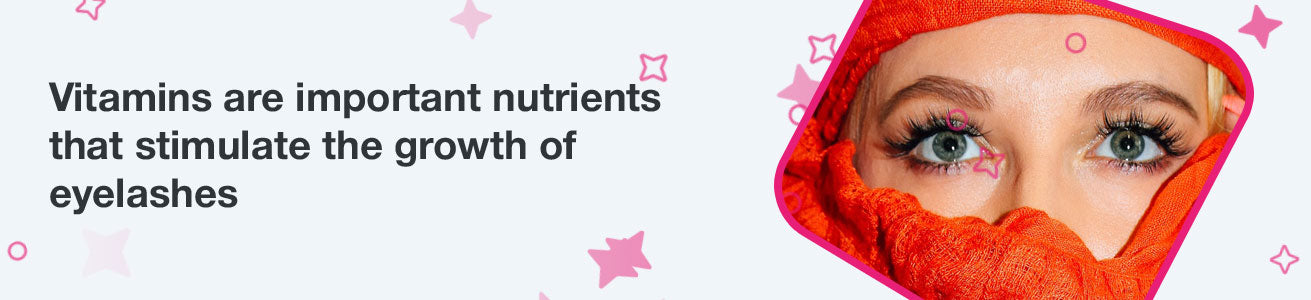
Vitamins are important nutrients that stimulate the growth of eyelashes and strengthen hair at a cellular level. As a board-certified trichologist with 18 years of clinical practice, I have reviewed hundreds of patients with lash thinning — and the root cause is almost always a combination of nutritional deficiency and oxidative stress at the follicle. The good news: targeted vitamins can reverse most of this damage, both through diet and through topical serums.
Which Vitamins Help Eyelashes Grow?
Eyelash growth occurs in three phases: anagen (active growth), catagen (transition), and telogen (rest/shedding). Several vitamins directly influence each phase by supporting keratin synthesis, follicle blood supply, and cellular antioxidant defence. Below is a clinical overview of the six key vitamins.
Vitamin Function Matrix: Eyelash Growth Science
| Vitamin | Role in Lash Growth | Deficiency Symptom | Food Sources | In Toplash Serum |
|---|---|---|---|---|
| Biotin (B7) | Stimulates hair follicles; supports keratin infrastructure; converts fats & carbs into cellular energy for follicle metabolism | Hair thinning, lash loss, brittle nails | Eggs, salmon, liver, sunflower seeds, almonds | ✓ Yes |
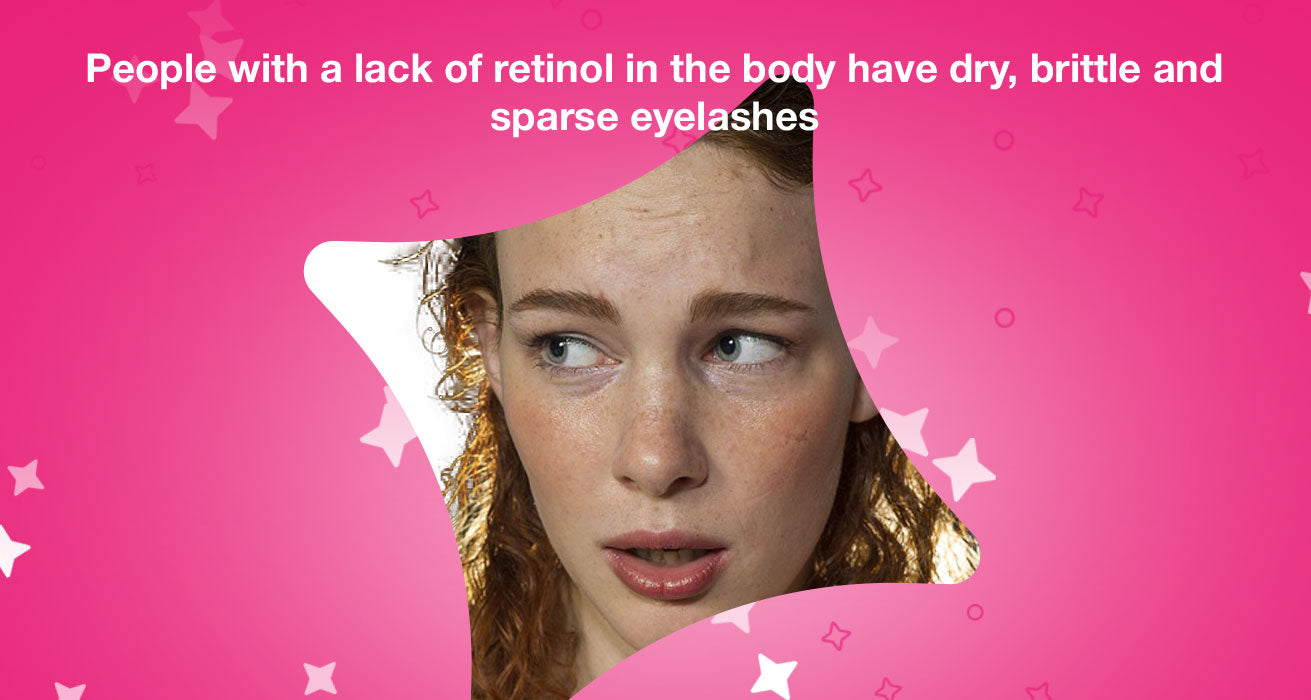
| Vitamin A (Retinol) | Enables keratin production — the structural protein of each lash strand; regulates cell differentiation in follicle tissue | Dry, brittle, sparse lashes; poor night vision | Liver, sweet potato, carrots, spinach, eggs | ✓ Yes |
| Vitamin C | Collagen synthesis; antioxidant protection; strengthens capillaries that supply follicle bulbs; improves iron absorption for lash pigment | Weak, thin lashes; slow wound healing near lid margin | Bell peppers, citrus, strawberries, broccoli, kiwi | ✓ Yes |
| Vitamin E | Powerful antioxidant preventing UV-induced follicle damage; nourishes scalp and lid skin; restores damaged lash strands | Lash breakage, dryness, premature shedding | Sunflower seeds, almonds, avocado, olive oil, spinach | ✓ Yes |
| Vitamin B2 (Riboflavin) | Supports cellular respiration and energy metabolism in follicle cells; essential for FAD/FMN coenzyme function | Increased lash shedding, inflammation around lid | Lean meats, dairy, almonds, leafy greens, eggs | — |
| Vitamin B8 (Inositol) | Prevents total hair loss; protects against premature graying; regulates cell membrane signalling in follicles | Total lash loss, graying, hormonal disruption | Whole grains, coarse bread, nuts, seeds, legumes | — |
Biotin (B7): The Gold Standard for Lash Growth

Biotin is a water-soluble B vitamin — also known as Vitamin B7, Vitamin H, or Vitamin N. Because it is water-soluble, it is not stored in the body: any surplus is excreted. This means consistent dietary intake (or supplementation) is critical to maintaining adequate follicle support.
At the molecular level, biotin acts as a co-enzyme for carboxylase enzymes involved in fatty acid synthesis, gluconeogenesis, and amino acid metabolism. All three processes are directly linked to the energy supply of actively dividing hair follicle cells during the anagen phase.
Clinical evidence: A 2014 study published in Dermatology & Surgery (Smith et al., doi:10.1111/dsu.12636) found measurable improvements in hair growth and structure in participants supplementing biotin. A 2009 study in the British Journal of Dermatology (Messenger et al., doi:10.1111/j.1365-2133.2009.09286.x) further documented how nutrient deficiencies — including biotin — disrupt the hair growth cycle at the anagen-catagen transition.
Biotin not only stimulates lash growth, it also:
- Converts fats and carbohydrates into cellular energy, supporting adrenal function
- Strengthens the nervous system and reduces fatigue
- Stimulates growth of the nail plate and regeneration of skin cells
Typical dosage: 50–80 micrograms per day for maintenance. In cases of significant deficiency, a specialist may temporarily increase this several-fold. Always consult your healthcare provider before starting supplementation.
Vitamins A, C & E: Antioxidant Trio for Lash Strength

Vitamin E is a fat-soluble antioxidant that provides a cellular shield against UV radiation — one of the primary causes of lash follicle damage. Like Vitamin C, it also has anti-inflammatory properties that prevent the chronic lid-margin irritation that disrupts the anagen phase. Applied topically, Vitamin E nourishes the delicate skin of the eyelid and prevents moisture loss around the follicle. According to NIH PMC3509882, topical Vitamin E application has been shown to support hair shaft integrity and reduce oxidative stress in follicular tissue.
Vitamins B2 & B8: Preventing Total Lash Loss
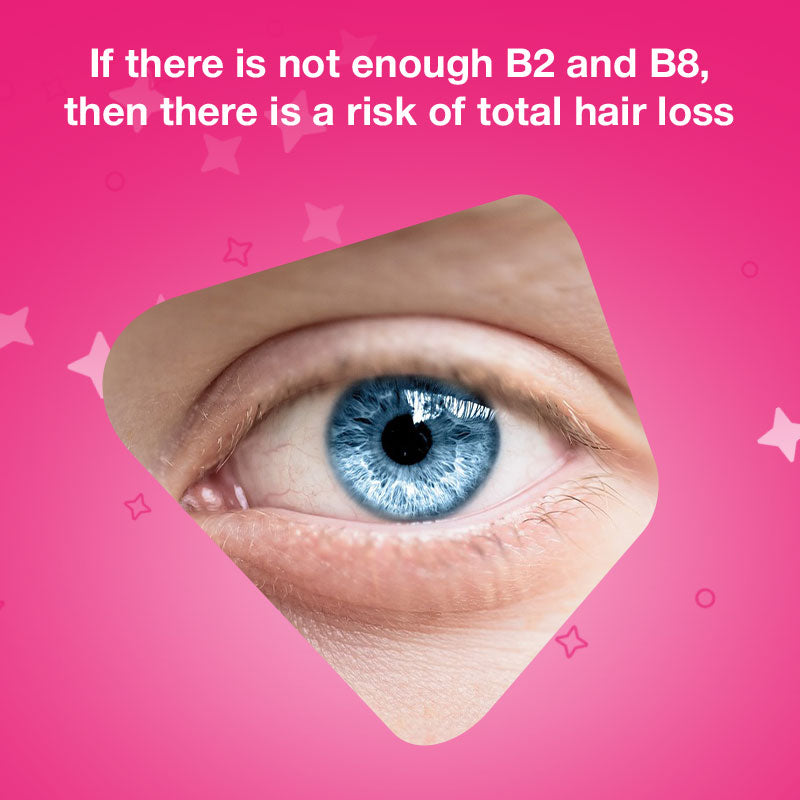
The B-vitamin family is the largest group of vitamins and all members are water-soluble. They are considered essential for women's hormonal health — B-group vitamins help regulate hormonal transitions during pregnancy and menopause, both of which are periods commonly associated with lash thinning.
Vitamin B2 (Riboflavin) is required for the production of FAD and FMN coenzymes, which power cellular respiration in rapidly dividing follicle cells during anagen. A B2 deficiency disrupts this energy supply, leading to increased lash shedding and visible lid-margin inflammation.
Vitamin B8 (Inositol) plays a dual role: it regulates cell membrane phospholipid signalling in follicle tissue, and it protects against both total lash loss and premature graying. It is found in high concentrations in unpeeled whole grains, coarse bread, nuts, and seeds. Women taking oral contraceptives are particularly at risk of B8 depletion and may benefit from targeted supplementation.
Best Food Sources of Lash-Boosting Vitamins
Biotin is found in many common foods, but processing and cooking can destroy it. Prioritize the following sources for maximum biotin and co-vitamin delivery:
- Eggs — One of the richest biotin sources; also supply Vitamins A, D, and B2. 100 g: 155 calories, 13 g protein.
- Salmon — High in biotin and omega-3 fatty acids, which reduce follicle inflammation. 100 g: 208 calories, 20 g protein.
- Liver (beef) — Exceptionally dense in biotin, iron, and Vitamin A. 100 g: 516 calories, 4 g fat.
- Sunflower seeds — Excellent sources of biotin, Vitamin E, and magnesium. Eat raw for maximum nutrient retention. 100 g: 584 calories, 81% daily magnesium.
- Almonds & walnuts — Provide biotin, Vitamin E, and healthy fats that improve fat-soluble vitamin absorption.
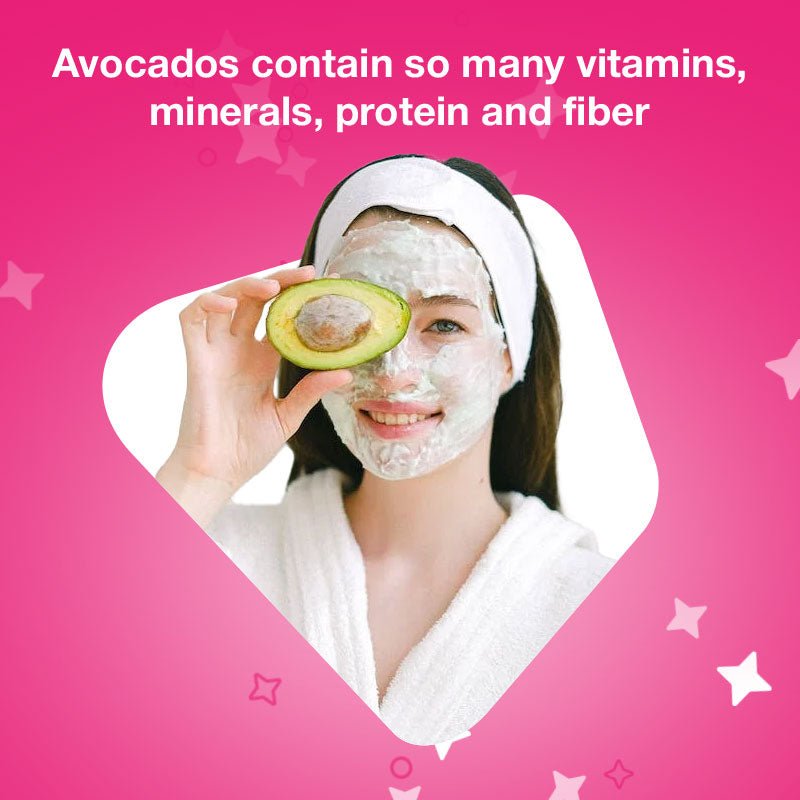
- Avocados — Rich in biotin, Vitamin E, and monounsaturated fats. 100 g: 160 calories, 485 mg potassium.
- Mushrooms — A plant-based biotin source with added iron. 100 g: 38 calories, 19% daily iron.
- Tuna — High in biotin and a full daily allowance of Vitamin B12. 100 g: 184 calories.
- Turkey breast (skinless) — Lean biotin and protein source. 100 g: 104 calories, 18 g protein.
- Swiss chard — Supplies biotin, Vitamin A, magnesium, and Vitamin C. 100 g: 19 calories.
- Whole grains & coarse bread — Primary dietary source of Vitamins B1, B2, B8 and B12.
- Bell peppers & citrus fruits — Highest Vitamin C sources; do not heat to preserve ascorbic acid content.
Practical note: Vitamin C is destroyed by heat — always eat Vitamin C-rich foods raw or minimally processed. Vitamin A is fat-soluble and must be consumed with dietary fat for proper absorption. Biotin is partially deactivated by avidin in raw egg whites; cook eggs fully to maximize biotin bioavailability.
Topical Delivery: How a Lash Serum Fills the Gap
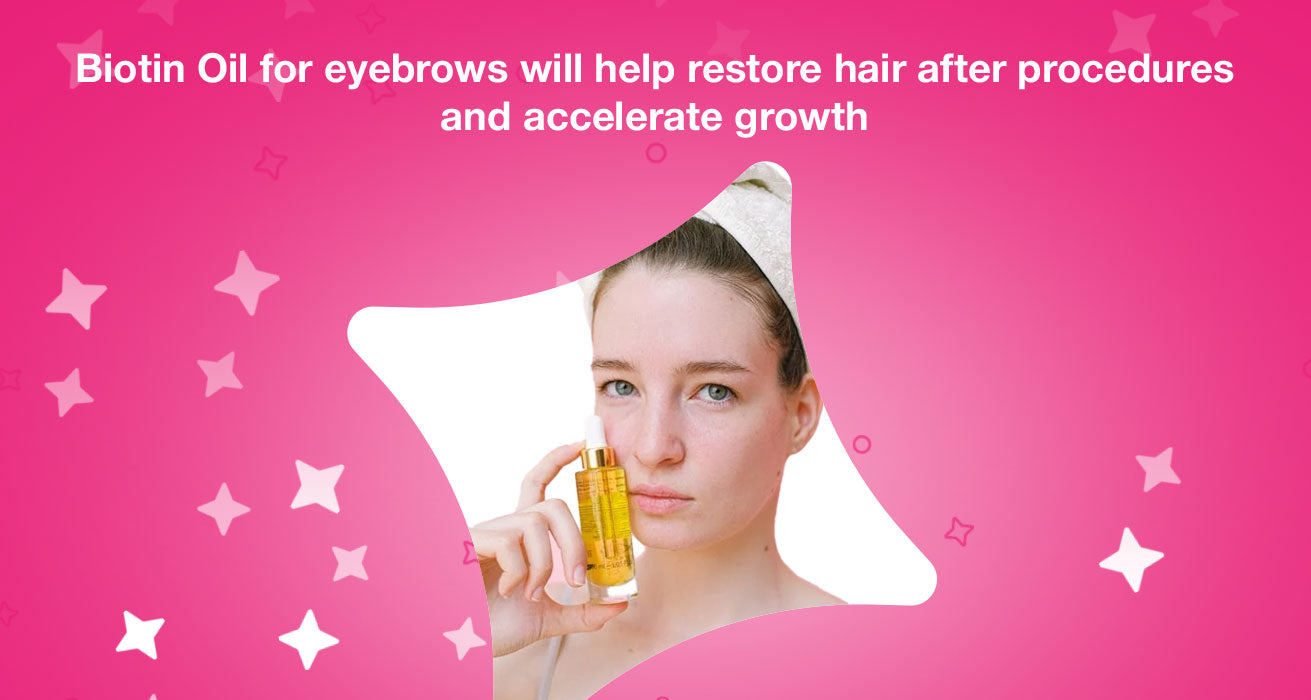
Even with a well-optimised diet, systemic absorption of vitamins may not always deliver sufficient concentrations to the delicate lash follicles on the eyelid margin — a highly localised area. Topical application of a vitamin-enriched serum bypasses this limitation by delivering active compounds directly to the follicle environment.

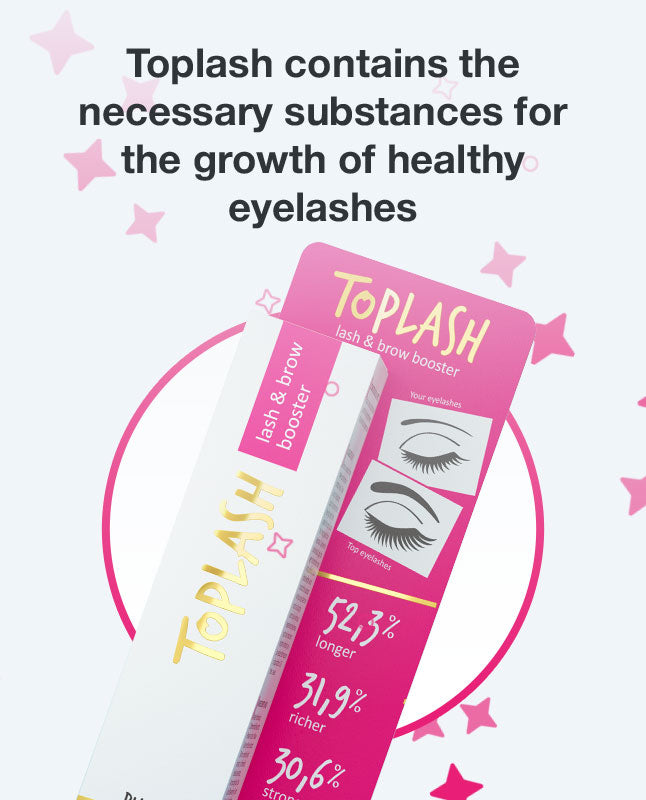
Biotin-rich lash serums applied nightly to the upper lash line supplement the local nutrient pool around each follicle during the night repair cycle. Research indicates that combining oral vitamin supplementation with topical serum application produces significantly better results than either approach alone. The Toplash Lash & Brow Serum is formulated to deliver a concentrated blend of Biotin, Vitamin A, C, and E directly to the lash line for maximum follicle activation.
Scientific References
- NIH Office of Dietary Supplements. Biotin Fact Sheet for Health Professionals. NIH ODS Biotin
- NIH Office of Dietary Supplements. Vitamin A and Carotenoids Fact Sheet for Health Professionals. NIH ODS Vitamin A
- NIH Office of Dietary Supplements. Vitamin C Fact Sheet for Health Professionals. NIH ODS Vitamin C
- NIH Office of Dietary Supplements. Vitamin E Fact Sheet for Health Professionals. NIH ODS Vitamin E
- StatPearls / NCBI Bookshelf. Physiology, Hair. NCBI Bookshelf
Frequently asked questions
What vitamin helps eyelashes grow — FAQ
What vitamin helps eyelashes grow the most?
Biotin (Vitamin B7) is the most clinically studied vitamin for eyelash growth. It supports the keratin infrastructure of each lash strand and stimulates follicle activity during the anagen (growth) phase. However, a complete protocol including Vitamins A, C, and E produces the best outcomes — they work synergistically to protect follicles, build collagen, and prevent oxidative damage.
What helps grow eyelashes fast?
The most effective approach combines consistent vitamin intake with a topical lash serum. Diet alone often cannot deliver sufficient concentrations of Biotin, Vitamin A, C, and E to the eyelid follicle. Applying a serum like Toplash nightly deposits these nutrients directly at the lash line, where follicle cells can absorb them during the body's overnight repair cycle. Users typically see visible improvement in lash length and density within 60–90 days of consistent use.
What makes eyelashes grow faster naturally?
The number of hair follicles on the eyelid is genetically determined, but you can maximise the performance of every follicle you have by consuming adequate vitamins and nutrients, avoiding harsh eye makeup removers that strip the lash cuticle, resisting the urge to rub your eyes, and applying a nourishing lash serum. By consuming sufficient Biotin, Vitamins A, C, and E, you can awaken dormant follicles, make hairs thicker and more elastic, and significantly reduce lash shedding.
What vitamins are needed for eyelash growth?
For optimal lash growth, ensure adequate intake of the following vitamins:
Does biotin help eyelashes grow?
Yes. Biotin (Vitamin B7/H) is one of the B vitamins that helps the body convert food into energy, and it is directly linked to lash follicle health. All B vitamins support the health of skin, hair, eyes, liver, and nervous system. Studies have shown that with regular biotin intake, eyelash loss slows down and new eyelashes grow longer and healthier. The typical maintenance dosage is 50–80 micrograms per day, though a specialist may prescribe higher doses for documented deficiency. Biotin can be supplemented both orally and topically through a dedicated lash serum for synergistic benefit.
The opinion of a cosmetologist

Branda M. Heim
Board-Certified Cosmetologist & Trichologist | 18 years clinical practice
Biotin is the foundation, but not the whole protocol: In my clinical experience, biotin is the single most impactful vitamin for lash density in patients with documented deficiency. It supports keratin infrastructure and reduces lash shedding, but it works best together with vitamins A, C, and E, which support follicle health, collagen synthesis, antioxidant protection, and lash-shaft resilience.
Why topical delivery matters: Diet is important, but the eyelash follicle is a small, local structure. A topical serum can complement nutrition by delivering supportive ingredients directly to the lash line, where the follicle environment needs them most. This is why consistent nightly application is more useful than occasional high-dose supplementation without a routine.
Safety note: Vitamin deficiencies, thyroid disorders, postpartum shedding, and medication-related hair loss can all affect lashes. If lash loss is sudden, patchy, painful, or accompanied by eyelid inflammation, a medical evaluation is more important than adding a cosmetic serum.
References: NIH ODS — Biotin NIH ODS — Vitamin A NIH ODS — Vitamin C NIH ODS — Vitamin E NCBI Bookshelf — Hair physiology
Beauty blogger recommendation:
Elisabeth Buss
Beauty Editor — LashLife.co
I like this page because it answers a question beauty readers actually ask: not just “which serum works,” but what the lash follicle needs nutritionally before any serum can perform well. The useful distinction here is that vitamins support the lash environment, while a consistent topical routine helps deliver support directly to the lash line.
- The ingredient check I do first: I look for biotin, panthenol, conditioning support, and a formula that is designed for daily lash-line use rather than a generic oil blend.
- The practical takeaway: Food sources matter, but most users need a routine they can repeat every night. A serum works best when it becomes part of that routine.
- What readers should track: Less shedding first, then better lash texture, then visible length and density over a full 8–12 week cycle.
For beauty readers, the most realistic advice is simple: fix the nutritional basics, avoid harsh removal habits, and document progress before judging the result too early.
Real Customer Feedback from Independent Platforms
Everything was great. The website is very user-friendly, and the delivery is quite fast. I previously mentioned the serum — it is very good.
★★★★★
March 20, 2026
Read original reviewI was amazed at how fast my lashes grew longer and thicker. I've tried several brands, but this was the best. This is all I'll use from now on. Also use on my brows.
★★★★★
May 24, 2023
Read original reviewPublished: Nov 1, 2022