
Lash Serum Not Working? 7 Diagnosable Reasons + Fixes
Most lash serum "failures" are not failures at all — they have specific, diagnosable causes. Work through this systematic guide to find what's blocking your results.
Updated: June 20, 2026 Written by: Branda M. Heim Reviewed by: Branda M. Heim, Board-Certified Cosmetologist8 referencesView Toplash SerumIn order of frequency: (1) evaluating too early — before 8–12 weeks of consistent application; (2) inconsistent application — skipping nights; (3) incorrect technique — applying over lash hairs rather than at the root; (4) using a conditioning serum instead of a growth serum; (5) an underlying health condition suppressing follicle cycling; (6) expired or degraded product; (7) natural genetic ceiling — lashes have reached their maximum. The fix for most cases is simply time and consistency.
Quick Self-Diagnosis: Work Through This First
Answer these questions before concluding your serum isn't working
- Have you been using it for at least 8 weeks? If no — this is the most likely explanation. The lash growth cycle takes 4–10 weeks per follicle cohort. Visible results require at least 2 full cycles under serum influence. Continue application and re-evaluate at week 12.
- Have you applied it every single night without skipping? If no — inconsistency is the second most common cause. A growth serum must maintain continuous signalling across successive follicle cohorts. Sporadic use breaks the cycle. Reset and commit to 30 consecutive nights.
- Are you applying it at the root of the lash line, not on the lash hairs? If applying over the lashes rather than at the skin-lash junction — the active peptides or PGAs need to reach the follicle opening in the skin. Reposition your application technique.
- Does your serum contain actual growth-active ingredients? Check the INCI list for prostaglandin analogs (ICP, DDDE, bimatoprost) or active peptides (myristoyl pentapeptide-17, biotinoyl tripeptide-1, acetyl tetrapeptide-3). Products without these are conditioners — they won't grow lashes.
- Are you applying it to clean, dry, makeup-free skin? Residue from mascara, eye cream or oil-based remover creates a barrier at the lash line that blocks serum contact with follicle openings. Cleanse thoroughly before each application.
- Is your product within its expiry date and stored properly? Lash serums should be stored away from heat and light. Active peptides and PGAs degrade. An expired or heat-degraded product may be inactive despite correct application.
The 7 Reasons Your Lash Serum Isn't Working
-
You're Evaluating Too Early — The eyelash anagen (active growth) phase lasts 4–10 weeks per follicle. A serum must maintain sustained signalling across multiple follicle cohorts before visible population-level density changes occur. This is a biological timing constraint, not a product failure.
At two weeks, you are in the biological latency period. At four weeks, first results are emerging in the fastest-cycling cohorts. Full results across the majority of follicles appear at 8–12 weeks. Evaluating before week 8 is premature for any lash growth serum — including the strongest pharmaceutical options.
Toplash clinical data shows 98% of study participants reporting first visible change by Day 21 — but "first visible change" is not the same as "full results." Peak length (+52.3%) and volume (+31.9%) were measured at 8 weeks after consistent daily application.
Continue applying nightly without interruption. Set a reminder to evaluate at exactly 8 weeks and again at 12 weeks from your start date. Photograph your lashes under the same lighting conditions every 2 weeks for objective comparison.
-
Inconsistent Application — Skipping Nights — Lash serum growth signals must be maintained continuously to extend the anagen phase across successive follicle cohorts. The lash follicle cycle is not immediately responsive to daily variation — but gaps of 3+ consecutive nights reset the cumulative signalling benefit and push follicles back toward their default cycle timing.
Skipping 2–3 nights per week instead of applying daily effectively reduces your weekly dose by 30–40%, which may push the cycle extension below the threshold needed for visible results. This is particularly important in the initial 8-week phase.
Commit to 30 consecutive nights of application as a reset. Link the application to a fixed nightly habit — brushing teeth, applying moisturiser. Use a habit tracker or phone reminder for the first month.
-
Wrong Application Technique — Applying serum along the lash hairs rather than at the skin-lash junction (the lash root) means the active ingredients never reach the follicle opening where they need to act. Peptides targeting keratin gene expression and KGF receptors need to penetrate the periorbital skin at the follicle level. Applying to the lash shaft above the skin has no growth effect.
Common related errors: over-applying product (which pools on lashes rather than penetrating the skin), applying over moisturiser that hasn't absorbed (creates a barrier layer), and applying to the lower lash line directly (increases irritation risk without improving results).
Revisit the application technique: draw a thin line along the very base of the upper lash line — exactly where lash meets skin — from inner to outer corner. One thin stroke per eye on clean, dry skin. Apply last in your evening routine after all other products have been absorbed.
-
You're Using a Conditioning Serum, Not a Growth Serum — The lash serum market is split between growth serums (which contain active ingredients that stimulate the growth cycle) and conditioning serums (which improve lash appearance by reducing breakage and adding moisture but do not trigger new growth). Many products marketed as "lash serums" are conditioning formulas.
Conditioning serums can make existing lashes appear thicker and healthier — which is valuable — but they will not produce measurable increases in lash length or density. If your serum contains only ingredients like panthenol, biotin, castor oil, vitamin E, glycerin and peptide-free extracts, it is a conditioner.
Check the INCI ingredient list. Growth serums contain prostaglandin analogs (ICP, DDDE — note these are EU-banned in cosmetics from 2026) or active peptides (myristoyl pentapeptide-17, biotinoyl tripeptide-1, acetyl tetrapeptide-3). If yours lacks these, consider switching to a serum with documented growth-active ingredients.
-
Underlying Health Factors Suppressing Follicle Cycling — Topical lash serums act on the follicle's growth cycle — but systemic health conditions can override or dampen this effect. If the follicle is in a stress- or deficiency-driven telogen phase, no topical growth signal will produce visible results until the underlying condition is addressed.
Common systemic causes include iron deficiency anaemia (ferritin below 30 µg/L significantly impairs follicle cycling), hypothyroidism (suppresses anagen phase across scalp and lashes), high chronic stress (elevated cortisol drives premature catagen transition), and nutritional deficiencies in biotin, zinc or protein. Postpartum telogen effluvium causes temporary global follicle cycling disruption in the months after delivery.
If you have applied the serum correctly and consistently for 12 weeks with no results, consult your GP for blood work: full blood count, ferritin, thyroid-stimulating hormone (TSH), and thyroid panel. Address any identified deficiency. Continue the serum alongside treatment — results typically appear within 8–12 weeks of correcting the underlying issue.
-
Expired, Degraded or Improperly Stored Product — Active peptides and prostaglandin analogs are biochemically labile. Heat, UV light and repeated opening-closing cycles can degrade active ingredients before they reach the skin. A serum that is past its expiry date or has been stored in a bathroom with temperature fluctuations may contain reduced or negligible active-ingredient concentrations.
Signs of degradation: change in colour or smell, cloudy appearance, change in texture. Serums should be stored in a cool, dry place away from direct sunlight — not in a hot bathroom or near a window.
Check the expiry date and Period After Opening (PAO) symbol — most lash serums have a 12-month PAO. If using an old tube or one that has been exposed to heat, replace it. Store the new product away from light and heat.
-
Natural Genetic Ceiling — Maximum Results Already Reached — Every person has a genetically programmed maximum lash length and density. Once a serum has driven lashes to their genetic ceiling, results will appear to plateau even though the serum is still working correctly — it is now maintaining maximum results rather than increasing them.
This is most common in long-term users (12+ months) who have seen initial results and are concerned the serum has "stopped working." The distinction: if your lashes still look better than pre-serum baseline, the product is working. If they have returned to baseline, that indicates the serum is genuinely no longer effective (see reasons 1–6).
Compare current lash photos to your pre-serum baseline (Week 0), not to peak-results photos. If you are maintaining above baseline, switch to the maintenance schedule (3 nights per week). If at true baseline, consider a 4-week product break followed by restarting the initial daily application protocol.
Growth Serum vs Conditioning Serum: Ingredient Checker
Check your current product's INCI ingredient list against this table to determine whether it contains growth-active ingredients:
| Ingredient (INCI Name) | Type | Mechanism | Grows Lashes? |
|---|---|---|---|
| Myristoyl Pentapeptide-17 (MP-17) | Growth Active | Keratin gene upregulation | ✓ Yes |
| Biotinoyl Tripeptide-1 (BTP-1) | Growth Active | KGF signalling; laminin/collagen IV | ✓ Yes |
| Acetyl Tetrapeptide-3 (AT-3) | Growth Active | Dermal papilla maintenance | ✓ Yes |
| Isopropyl Cloprostenate (ICP) | Growth Active (PGA) | FP receptor agonist — anagen extension | ✓ Yes (but EU-banned cosmetic use 2026) |
| Dechloro DDDE | Growth Active (PGA) | FP receptor agonist | ✓ Yes (but EU-banned cosmetic use 2026) |
| Bimatoprost | Growth Active (Rx drug) | FP receptor agonist (pharmaceutical) | ✓ Yes (Rx only — Latisse) |
| Panthenol (Pro-Vitamin B5) | Conditioner Only | Moisture retention; lash flexibility | ✗ No (reduces breakage only) |
| Biotin (Vitamin H/B7) | Conditioner Only | Keratin support if deficient | ✗ No (unless biotin-deficient) |
| Ricinoleic acid (castor oil) | Conditioner Only | Emollient; anti-inflammatory | ✗ No clinical evidence for growth |
| Arginine, glycerin, hyaluronic acid | Conditioner Only | Humectant; moisturisation | ✗ No |
When to Suspect an Underlying Health Cause
If you have applied a growth-active serum consistently and correctly for 12 weeks with no visible results whatsoever, a systemic cause is possible. The following conditions are known to suppress follicle cycling and may prevent topical serum from working until the underlying issue is addressed:
Systemic Conditions That Impair Lash Growth
- Iron Deficiency Anaemia — Ferritin below 30 µg/L significantly impairs follicle cycling. Common in women of reproductive age. Blood test: ferritin level.
- Hypothyroidism — Thyroid hormone T3/T4 regulates follicle anagen phase duration. Low thyroid function is a well-documented cause of hair and lash loss. Blood test: TSH, free T3/T4.
- Chronic Stress / High Cortisol — Elevated cortisol drives premature catagen transition across hair follicles. Psychological stress and adrenal dysfunction both implicated. Addresses with stress management, sleep, and potentially cortisol testing.
- Nutritional Deficiency — Zinc, iron, vitamin D and protein deficiency all impair follicle cycling. Biotin deficiency specifically affects keratin synthesis but is rare in well-nourished adults. Blood panel can identify.
- Post-Pregnancy Telogen Effluvium — Mass lash and hair shedding typically 3–6 months after delivery as pregnancy oestrogen drops. Self-resolving; peptide serum can support regrowth phase. Not a serum failure.
- Alopecia Areata / Madarosis — Autoimmune follicle conditions. Topical serums typically do not overcome active autoimmune follicle suppression — dermatologist consultation required.
Consider a GP consultation if you experience:
- Noticeable lash thinning or patchy lash loss (not just slow growth)
- Lash loss accompanied by eyebrow thinning or scalp hair loss
- Fatigue, cold intolerance or other symptoms suggesting thyroid dysfunction
- No response whatsoever after 12+ weeks of correctly applied growth serum
- Recent medication changes (beta-blockers, anticoagulants, chemotherapy are documented lash loss causes)
"In 15 years of formulation and client consultation, the most frequent cause of perceived product failure I encounter is evaluation at 4–6 weeks when the product needs 10–12. The biology of follicle cycling doesn't compress to match user expectations — and the most effective thing most users can do is simply wait. The second most common cause is using a conditioner and expecting growth-serum results."
Should I Switch Lash Serums?
Before Switching — Verify the Basics
Switching products before giving the current one a fair evaluation resets the clock and means you will potentially repeat the same experience with the new product. Before switching, confirm you have completed 12 weeks of consistent daily application with correct technique and a product containing growth-active ingredients.
Valid Reasons to Switch
- Your current product contains only conditioning ingredients — switch to one with active peptides or (with awareness of risks and regulatory status) PGA ingredients
- You are experiencing irritation — switch to a fragrance-free, BAK-free peptide serum
- Your current serum contains ICP or DDDE — these ingredients are now ruled unsafe by the EU SCCS (2026) and Health Canada banned ICP in 2019; consider switching to a peptide alternative regardless of result status
- Genuine plateau after 6+ months of daily use — a 4-week product break, then restarting the same or an equivalent formula, often re-establishes response
Why Peptide Serums Are the Recommended Switch
If you have been using an OTC PGA serum (GrandeLASH, RevitaLash, RapidLash, LiLash, NeuLash) and are not seeing results — or are concerned about the regulatory changes — switching to a triple-peptide serum like Toplash offers clinically documented results (+52.3% length at 8 weeks) through a completely different mechanism that avoids the FP-receptor side effects and SCCS safety concerns of PGA serums.
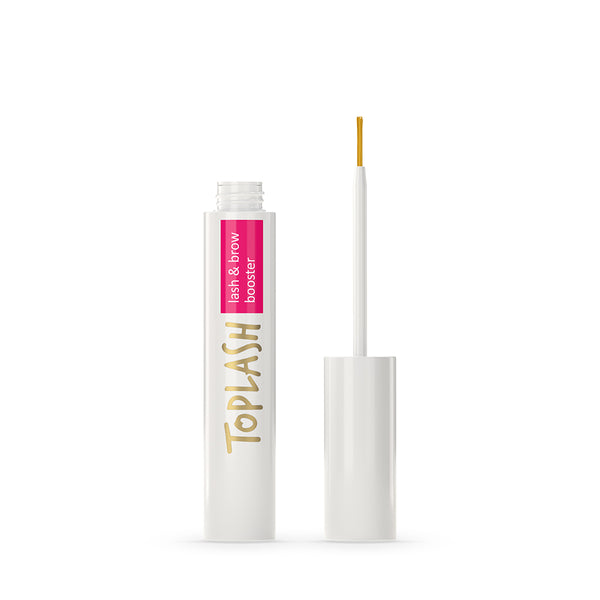
Recommended alternative — complete triple-peptide system
Toplash Lash & Brow Serum
The complete AT-3 + BTP-1 + MP-17 growth-peptide system with independent clinical data: +52.3% length and +31.9% volume at 8 weeks. Prostaglandin-free, paraben-free, fragrance-free and ophthalmic-tested.
Shop Toplash SerumFrequently Asked Questions
Why is my lash serum not working after 2 weeks?
Two weeks is too early to evaluate any lash serum. The eyelash anagen (growth) phase lasts 4–10 weeks, and a serum must drive multiple follicle cohorts through extended cycles before results are visible at population level. Most lash serums produce first visible changes between Day 21 and Week 6. Full results require 8–12 weeks of consistent daily application. At two weeks, you are still in the biological latency period — continue your routine.
Can lash serums stop working over time?
Two patterns are possible. First, "natural plateau": lashes reach their genetically programmed maximum, so the serum appears to have stopped increasing results — it is now maintaining peak density. Second, "conditioning tolerance": some PGA-based serum users report reduced response after 12+ months; a 3–4 week break followed by resumption often re-establishes response. Peptide serums work via a different pathway and are less susceptible to this pattern.
How do I know if my lash serum is actually a growth serum?
Check the INCI ingredient list for growth-active ingredients: prostaglandin analogs (isopropyl cloprostenate, DDDE, bimatoprost) or active peptides (myristoyl pentapeptide-17, biotinoyl tripeptide-1, acetyl tetrapeptide-3). Products listing only panthenol, biotin, castor oil, vitamin E or similar conditioning agents without these growth-actives are conditioning serums — they improve lash appearance by reducing breakage but do not stimulate new follicle growth.
What health conditions can stop a lash serum from working?
Iron deficiency anaemia, hypothyroidism, and PCOS can slow hair and lash growth by disrupting follicle cycling. Severe biotin or zinc deficiency, chronic high stress (elevated cortisol), and post-pregnancy telogen effluvium can also reduce responsiveness to topical serums. If you have consistent application and technique but see zero results after 12 weeks, a GP consultation for blood work (ferritin, TSH, thyroid panel) is worthwhile.
Should I try a different lash serum if mine isn't working?
Before switching, verify you have given the serum 12 weeks of consistent daily application with correct technique. If you have, check whether the product contains actual growth-stimulating actives. If your current serum is only a conditioner, switching to a peptide-based growth serum like Toplash is worthwhile. If your serum contains ICP or DDDE, the 2026 EU SCCS ruling (SCCS/1680/25) also provides an evidence-based reason to switch to a peptide alternative.
Does lash serum work for everyone?
No topical product works for 100% of users. Clinical studies on peptide lash serums report response rates of 85–98%. Non-responders typically include users with an underlying medical condition suppressing follicle cycling, previously damaged follicles (from chemotherapy, trauma or traction alopecia), or lashes at their genetic maximum. For Toplash, 98% of study participants reported visible change by Day 21.
What is the minimum time to fairly evaluate a lash serum?
12 weeks of consistent daily application is the minimum fair evaluation period. Eight weeks is when first-cycle peak results appear; weeks 9–12 allow a second follicle cohort to complete extended cycles, revealing full population-level density improvement. Evaluating before week 8 — a point many users reach when they are already considering giving up — is premature for any lash growth product.
- Headington JT. Transverse microscopic anatomy of the human scalp. Arch Dermatol. 1984;120(4):449–456. (Lash growth cycle phase duration reference)
- Paus R, Cotsarelis G. The biology of hair follicles. N Engl J Med. 1999;341(7):491–497.
- Wikramanayake TC, et al. Minoxidil analogue effects on hair growth: KGF signalling timing. Skin Pharmacol Physiol. 2012;25(1):21–30.
- Rasheed H, et al. Serum ferritin levels in women with different types of alopecia. Int J Trichology. 2013;5(1):2–7.
- Trüeb RM. Serum Biotin Levels in Women Complaining of Hair Loss. Int J Trichology. 2016;8(2):73–77.
- Chiu A, Kimball AB. Topical vitamins, minerals and botanical ingredients as modulators of environmental and chronological skin damage. Br J Dermatol. 2003;149(4):681–691.
- Toplash Cosmetics. Clinical Efficacy Study: Toplash Eyelash Enhancement Serum. Internal data. 2024.
- European Scientific Committee on Consumer Safety. Opinion SCCS/1680/25. February 2026.